
Whoa! I keep thinking about wallets while waiting in line for coffee. My instinct said crypto wallets shouldn’t be this messy, yet here we are. At first glance a wallet is just an app. But then you start juggling 12 tokens across five chains and a handful of NFTs, and everything gets very very messy. Something felt off about how many people still trust plain backups…
Really? Most folks still treat a seed phrase like a shopping list. That surprised me. Initially I thought people were simply lazy, but then I realized it’s partly UX and partly fear. On one hand users want convenience, though actually they also need airtight security. So that’s the tension: convenient portfolio tracking versus keeping your seed phrase off a server forever.
Here’s the thing. Portfolio trackers are the front door to your crypto life. They tell you what you own, what moved, and what to avoid. They also encourage behavior — good or bad. If a tracker nudges you toward risky swaps, you’ll do them. If it surfaces NFTs with poor metadata, you’ll be confused. A good tracker reduces cognitive load, and that matters.
Whoa! My first wallet wallet was a mess. I wrote down 24 words on a napkin once. Seriously. It felt like a rite of passage that was also dumb. I learned two lessons fast: seed phrases are sacred, and visibility matters. I needed a single pane to view balances across Ethereum, Solana, BSC, and the rest without switching apps. But merging visibility with privacy is tricky.
How I balanced convenience and custody (and a small recommendation)
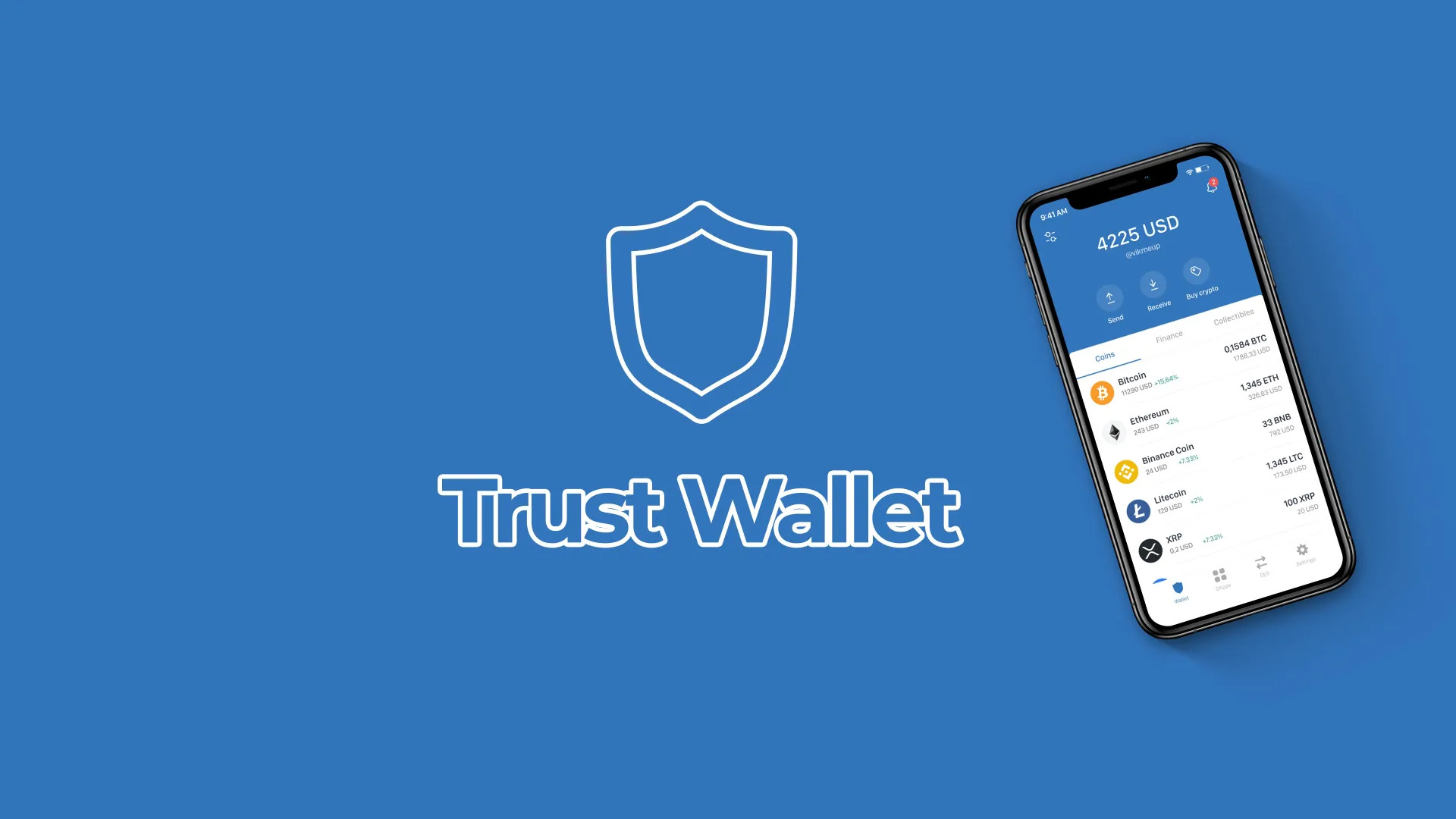
Here’s the thing. I tried a few approaches: browser extension trackers, phone apps that scan addresses, and even spreadsheets. Hmm… none felt right. Then I found a wallet that manages multichain balances while letting me keep my seed phrase strictly offline. That was a relief. Check it if you want to see a practical mix of features: https://sites.google.com/cryptowalletuk.com/truts-wallet/
Okay, so check this out—when a tracker connects to multiple chains it faces three core problems: accurate balance aggregation, token standard differences, and NFT metadata reliability. The first is mostly engineering. The second is messy because ERC-20, SPL, and BEP-20 each behave slightly different. The third is where user trust breaks down, since many marketplaces list broken or missing media and that ruins the experience.
Whoa! User error plays the biggest role in losses, not just hacks. My gut feeling says developers sometimes underestimate that. I’m biased, but I think wallets should default to safer choices — fewer prompts to sign transactions, clearer gas estimates, safer default slippage. At the same time power users need tools. Balancing those is an art.
Initially I thought more features equals more safety, but then realized that’s not always true. More features can mean more attack surface. Actually, wait—let me rephrase that: features that add visibility without compromising key material are great. Features that ask for your seed phrase or private key to import into unknown services are not. So the rule is simple: keep private keys local, and share only read-only data where possible.
Here’s another nuance. NFT support isn’t just about displaying images. It’s about provenance, royalties, on-chain metadata, and sometimes off-chain IPFS links. If the tracker caches images without verifying the source, users can be tricked by spoofed assets. On the other hand, live fetching can leak which tokens you’re interested in if done poorly. See the trade-off? I do, and it bugs me.
Really? People still paste seed phrases into search bars to “test” recovery. Please don’t. Seriously. A seed phrase equals custody. If you lose it, you lose everything. If someone else gets it, they can drain everything. That sounds obvious, but I’ve seen it happen. I also learned that cold storage (hardware wallets) plus an air-gapped backup is often the best middle path for serious holders.
Wow! There are small practical steps that make a huge difference. Write your seed phrase on a durable medium, re-check the words, and store copies in two separate secure locations. Consider using a steel backup plate for redundancy. Use passphrases if the wallet supports them. And never-ever type your seed into a website or cloud note. Ever.
Hmm… now let’s talk about recovery flows. Wallet recovery UX can be unintuitive, and that increases support calls and risky behavior. On one hand firms want seamless onboarding; on the other they must avoid centralized custodial shortcuts. The right compromise is deterministic wallets that allow optional cloud-based account linking for convenience, but only as a recoverable overlay with the seed phrase remaining the canonical key.
Here’s the thing. For trackers, on-chain read-only connections are safer than granting full wallet permissions. Read-only tracking gives you portfolio visibility without endangering private keys. Many wallets now offer address watchlists and transaction notifications precisely for that reason. But not all chains expose the same RPC quality, so expect occasional delays or mismatches — it’s normal, though annoying.
Okay, real-world checklist time. If you’re choosing a wallet or tracker, look for: strong local key storage, multichain support, NFT metadata verification, read-only tracking options, exportable transaction history, optional hardware wallet integration, and clear seed phrase education. Also check whether metadata is pulled via IPFS or centralized CDNs. Prefer IPFS or pinned content when possible.
I’m not 100% sure about every feature future wallets will need, but I’m confident about the basics. Something I still wrestle with is social recovery versus hardware-only models. Social recovery adds usability for mainstream users, though it requires trust in delegations. Hardware-only models are minimalist and secure, but unforgiving. On one hand convenience helps adoption, though actually it can also encourage negligence.
Common questions
How should I store my seed phrase?
Write it down twice on non-digital material, store copies in different secure locations, consider a steel backup for fireproofing, and use an optional passphrase for extra security. Don’t store it in cloud notes or email. And don’t share it — no matter how convincing the message looks.
Do I need NFT-specific wallet features?
Yes and no. You need accurate NFT display, clear provenance info, and safe viewing (no auto-executing external scripts). But you don’t need fancy marketplace integration unless you plan to trade from that wallet. For collectors, on-device metadata verification and IPFS support are very helpful.
Alright — here’s my closing note: wallets are where behavior meets security. They shape choices. They can make someone careless, or they can guide someone into good habits. I’m hopeful because builders are thinking harder about multichain aggregation and safer seed handling. Still, remain skeptical. Try tools in small amounts first, back up carefully, and never rush a recovery. There’s no shortcut for custody — but there are smarter paths to get there. Somethin’ to chew on…
