
I started using Rabby last year after getting tired of account approval nightmares. Whoa! It felt lightweight and focused right away. My instinct said this could be different, not flashy but practical. Initially I thought Rabby was just another browser extension, but then I realized it solves some annoying UX and safety problems that other wallets gloss over, and that changed how I use DeFi every day.
Seriously? Let me explain without the hype. Rabby isolates dApp interactions per tab so a rogue site can’t quietly drain every account. There’s also clearer signing prompts and what looks like better transaction previews. On the surface those are small niceties, but when you’re juggling many tokens and contracts they prevent costly mistakes, which is why I stopped toggling approvals like a madman and started trusting the prompts more.
Hmm… Rabby supports major EVM chains and common wallets, which is very useful. It even lets you connect a hardware device for cold-key storage. Something felt off about other wallets’ default approval settings, somethin’ that made me overly cautious. Over time I dug into its open-source repo and community discussions, and actually wait—let me rephrase that: I read issues and PRs to see how the team responds, because developer behavior tells you a lot about long-term safety.
Here’s the thing. Security is more than a checklist. You need thoughtful defaults, clear recovery options, and ways to limit approvals without breaking UX. Rabby’s UI nudges toward safer actions and it surfaces risky approvals before you sign. On the other hand, I’ve seen situations where even that can be bypassed by complex token approvals, so I keep a hardware wallet paired and move large balances offline whenever possible.
Really? The wallet also includes built-in transaction simulations and gas fee suggestions. Those tools help when interacting with DeFi protocols that have multi-step flows. I once nearly confirmed a swap that routed through unfamiliar pools, but the simulation showed the slippage path and I backed out in time. It’s not perfect of course—no tool is—but having that extra glance cut my small mistake rate dramatically, which saved me time and money, and honestly that part bugs me when other wallets skimp on it.
Whoa! Performance is sharp on Chrome and Brave. The extension doesn’t hog memory like some alternatives did on my laptop. I prefer wallets that behave like unobtrusive utilities. Initially I thought the UI was minimal by necessity, but then realized the designers intentionally removed noise to reduce accidental clicks, which is a subtle but powerful design philosophy.
Okay, so check this out— Rabby has a focus on transaction safety rather than flashy onboarding gimmicks. They added features to prevent blanket approvals and to inspect calldata. On one hand that can increase friction for casual users, though actually the tradeoff favors safety for heavy DeFi users like me. I am biased, but I prefer that friction over the risk of an irreversible mistake.
Hmm… Setup took a few minutes and the onboarding explains key concepts without being condescending. The extension supports multiple accounts so you can separate funds for trading, staking, and tests. I used a small test account first, then graduated to a main account with hardware backing. If you’re running smart contracts or connecting to many unknown dApps you should still use disposable accounts and hardware devices, and rotate permissions often—these habits matter more than any single piece of software.
Here’s the thing. The community is active and the team responds to security reports. But I’m not 100% sure about every claim, and I expect more audits for newer modules rather than blind trust. Oh, and by the way… I found a small UX bug that was resolved quickly in a patch the team pushed. That responsiveness increases my confidence, though nothing replaces personal caution when signing transactions; double-check recipient addresses every time.
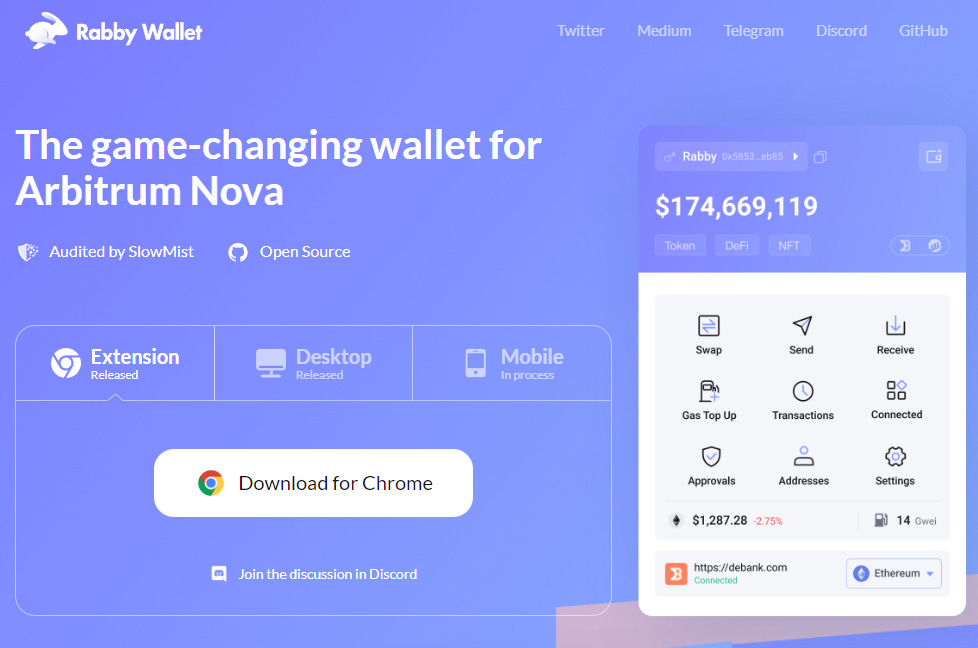
Get started with Rabby
Check this out—
If you want to explore, grab a verified copy here: rabby wallet download.
Follow the steps to create or restore accounts, and optionally connect a hardware wallet. Use a testnet or small amounts first. Be suspicious of unsolicited links and double-check the extension publisher before installing.
FAQ
Wow!
Is Rabby safe for DeFi interactions?
Short answer: generally yes, but practice good hygiene and use hardware wallets for large holdings.
Can I use Rabby with Ledger?
Yes, you can pair hardware wallets; always verify device prompts and firmware versions.
