
Whoa! I opened Phantom because I kept hearing about it. It was smooth from the jump, with a clean UI that didn’t make me squint. At first blush it felt faster than other wallets I’ve tried, and that’s not trivial when you’re flipping through NFTs. But actually, wait—speed isn’t everything, and there are trade-offs you should know about before you click “Add to Chrome” or whatever browser you’re on.
Seriously? Yes. Phantom is the most popular Solana browser extension for a reason. It handles SOL, SPL tokens, and NFTs in a way that feels native to most DApps. My instinct said this could lower the barrier for people who find wallets intimidating. On the other hand, the convenience of a browser extension means more exposure surface—so think threat model.
Hmm… here’s the thing. Browser extensions are handy. They sit in your toolbar and let you sign transactions in a couple clicks. But extensions also run in the browser process, which means they inherit browser risk. So if you or your machine is compromised, the extension can be affected. I’m biased toward hardware security keys, but for everyday NFT browsing Phantom is a solid compromise.
Okay, quick practical note—installation is simple. You install the extension, create a wallet or import a seed, and you’re off. The onboarding asks you to save the seed phrase, which is the usual high-stakes moment. Protect that phrase like it’s your wallet’s social security number. Seriously—write it down, lock it in a safe place, do not screenshot it.
One more upfront thought: Phantom’s UX for NFTs is surprisingly friendly. The gallery view, media previews, and quick listings integration make interacting with collectibles easy. That ease is partly why many NFT-first projects recommend Phantom to collectors and creators. But that popularity also makes it a target for phishing clones and fake extensions, so double-check the source before downloading.
Where to download and how to verify it
When you want to get Phantom, use the official source. For a quick start you can find a guided install page here: https://sites.google.com/cryptowalletextensionus.com/phantomwalletdownloadextension/. Follow the steps on that page and verify the extension ID in the Chrome Web Store or your browser’s add-on repository if you can. If somethin’ looks off—like odd permissions or weird review patterns—stop and re-check before proceeding.
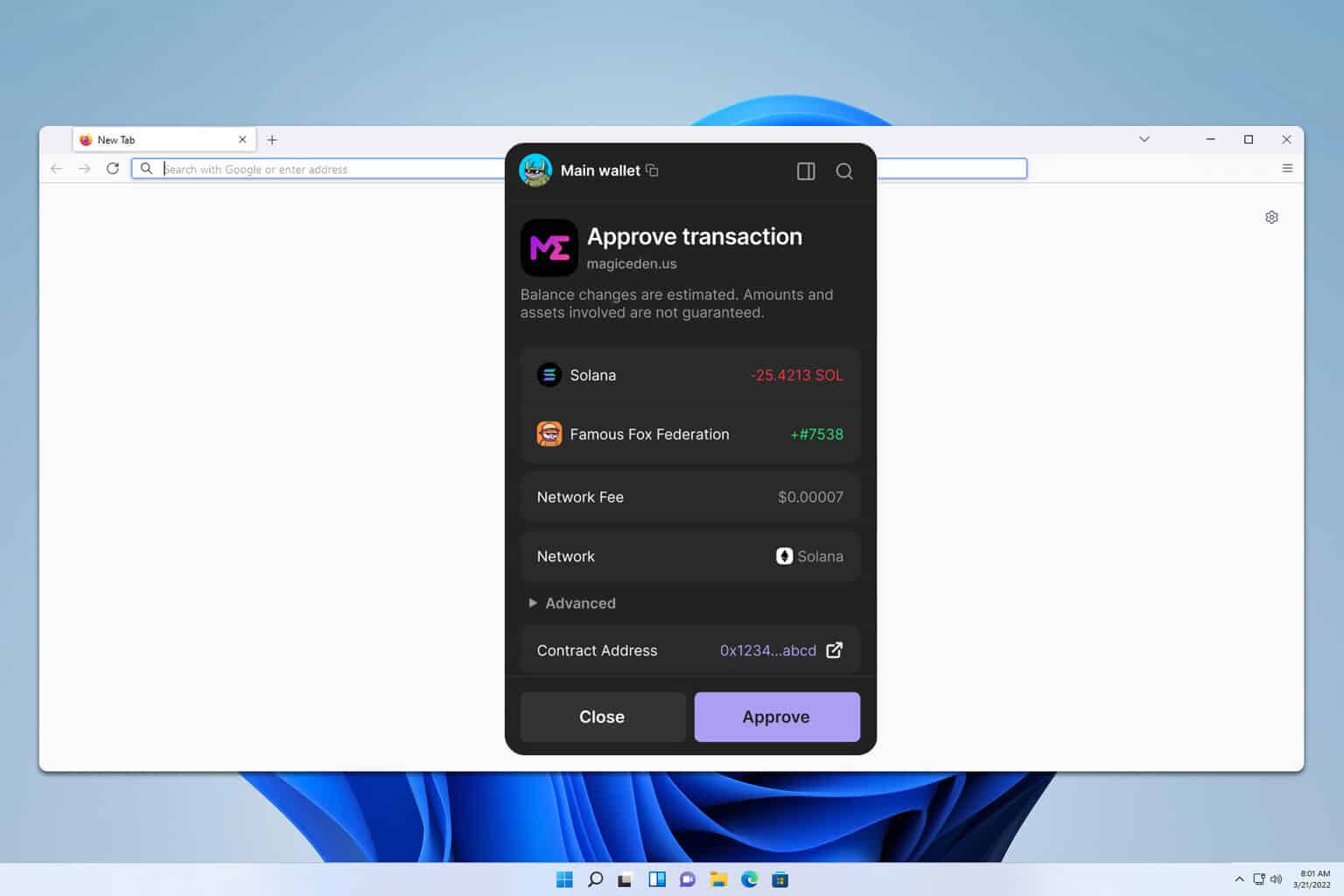
Here’s what I check after installation. First, the extension icon behavior—does it pop up predictably when a site requests a signature? Second, the permissions tab—Phantom shouldn’t ask for more than it needs. Lastly, transaction details—every signature prompt should clearly show the program and the amounts. If a prompt looks obfuscated, pause and read carefully.
One more pro tip: connect to DApps only when you intend to interact. Keep the wallet locked otherwise. That simple habit blocks a lot of accidental approvals and reduces the blast radius if a malicious site tries to trick you. Also, use separate browser profiles for high-value activity when feasible—it’s a small friction that pays off.
On the technical side, Phantom uses typical Solana signing flows, which are different from Ethereum’s model. Transactions are fast because of Solana’s throughput, but that speed can breed carelessness—people approve transactions without reading them. Don’t be that person. Read the decoded instruction details if you can; they often show program names and accounts involved.
One concern that bugs me is wallet recovery and custodial vs non-custodial expectations. Phantom is non-custodial, so you control the keys. That control is empowering and also terrifying if you lose your seed. There are options like exported encrypted keys or hardware wallet integration—use them. I’m not 100% sure the average user appreciates how much responsibility non-custodial implies, and that gap matters when NFTs are worth real money.
Let me break down some pluses and minuses. Pros: slick UI, integrated NFT gallery, fast tx signing, and widespread DApp support. Cons: browser-exposure risk, phishing clones, and the usual non-custodial headaches. On balance I lean positive, though I keep a hardware wallet for high-value assets.
Also, wallet extensions evolve. New features like token swap, staking, or improved NFT metadata handling land frequently. That rapid change is great, but it can cause temporary instability or UX regressions. Expect updates, expect the occasional bug, and be ready to read release notes when something looks different.
For creators and NFT projects, Phantom simplifies mint flows. It reduces friction for collectors and often integrates smoothly with marketplaces and minting sites. That convenience means quicker sales and less technical support, though it also means projects need to educate their users about safety practices around wallet interactions and signing requests.
So who’s Phantom for? It’s for people who want a first-rate Solana experience in the browser. It’s for NFT collectors who care about a nice gallery and instant previews. It’s less ideal for people who demand the absolute highest security without any extension footprint—those users should use a hardware wallet directly connected via a dedicated app or the browser extension’s hardware support if available.
FAQ
Is the Phantom extension safe to use with NFTs?
Generally yes if you follow best practices. Keep your seed phrase offline, verify extension sources, lock your wallet when idle, and avoid approving unclear transactions. Hardware wallets add another safety layer.
Can I use Phantom on multiple browsers or devices?
Yes—you can import your seed phrase into the extension on different browsers. Remember, importing increases exposure risk, so only do it on devices you trust. Using separate browser profiles is a helpful habit.
What about phishing and fake extensions?
Phishing is the #1 thing to watch out for. Always verify the extension page, double-check the developer name and extension ID, and never paste your seed phrase into a website. If a page asks for your phrase, that’s a scam—close the tab.
